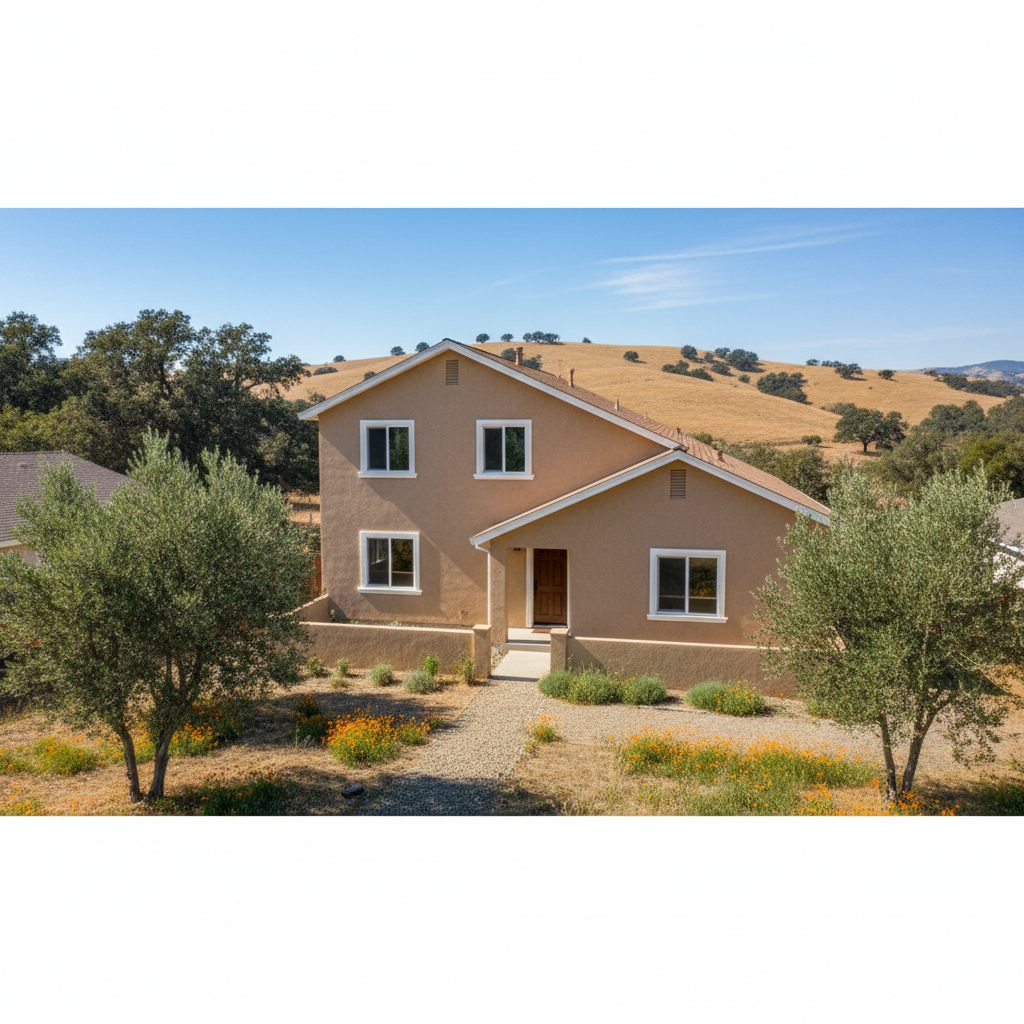
Alright, let's talk about commercial stucco projects right here in Turlock. If you own a commercial property, you already know how crucial that exterior is. It's the very first thing people see, it protects your big investment, and, let's be honest, it absolutely has to stand up to our Central Valley heat and those sometimes-damp winters. You're probably sitting there thinking, "Okay, but what's this actually going to involve?"
It's way more than just slapping some material on a wall, believe me. A commercial stucco job has its own specific flow and demands — totally different from residential work. I've watched plenty of projects come and go over the years, and the ones that really sail smoothly? They always, always start with some solid planning. So, let's just break down what you, as a property owner, really need to get your head around.
What to Expect for the Project Timeline
A commercial stucco project isn't something you knock out in a couple of days; it's a multi-week deal. Most stucco jobs, from beginning to end, usually run about one and a half to three weeks. Of course, this can change depending on how big and complicated your building is. You've got to factor in multiple coats and those specific curing periods between each layer. Try to rush these steps, and you're just asking for cracks and a finish that won't last. Nobody wants that.
- Getting Ready (1-3 days): This is where we prep the building. We'll pull off any old siding if it's there, check and fix the structure underneath, and then put in the lath, flashing, and moisture barriers. Good prep is super important for the stucco to stick right and do its job well. Here in Turlock, with all our clay-rich soils, we often see foundations shift, which can mess with existing stucco. So, a really thorough check of the underlying surface is vital.
- Scratch Coat (1 day + 24-48 hours curing): This is the first stucco layer that goes over the lath. It creates a textured surface for the next layer to grab onto and starts making the wall strong. It needs a good 24 to 48 hours to cure properly.
- Brown Coat (1 day + 7-10 days curing): The brown coat adds more structure and smooths things out, getting it all ready for the final finish. This layer needs a solid 7 to 10 days to cure, depending on how hot it is and how much humidity we've got.
- Finish Coat (1-2 days): This is the last layer. We put on the color and texture you picked out.
Just remember, these are general ideas. Things like the weather (our hot summers can really change curing times), if materials are available, and how complex your building's design is can all mess with the schedule. Your contractor should give you a detailed project schedule once they've checked out your site.
What Happens During the Work
When we're on site, you can expect a few things to happen. First up, we'll be setting up the work area. That means covering up landscaping, windows, and doors to keep them safe from dust and debris. We'll also need clear access around the building, so please make sure any outdoor furniture, signs, or other stuff is moved out of the way.
There will be some noise and dust, especially when we're first getting things ready and tearing stuff down. Sandblasting, demolition, and mixing cement all kick up dust. We'll take steps like taping off windows and protecting your plants, but fine dust can still sneak into attic vents or old window seals. It's smart to close all your windows tight and turn off HVAC systems during active work hours.
Keeping in touch is everything. Your project manager should update you on how things are going, and you should know exactly who to call with any questions. We'll also need to work with local building officials for inspections throughout the project. California codes are super strict, especially for commercial stucco, covering everything from materials and thickness to waterproofing and how it's applied. For instance, the framing, sheathing, and moisture barriers have to be inspected and approved before any stucco goes on. Missing these inspection windows or not having your paperwork ready can really cause delays.
How to Get Your Commercial Property Ready
Your involvement, even before we start swinging hammers, can make a huge difference. Here’s how you can prepare:
- Clear the Edges: Trim bushes and trees back at least two or three feet from the walls. Any branches touching wet stucco will totally ruin the finish. Move any outdoor seating, planters, or equipment away from the building's exterior.
- Secure Inside Stuff: If you have pictures, shelves, or delicate items on interior walls that are against the exterior, take them down. Our work's vibrations can knock things right off.
- Access and Power: Make sure our crew can easily get to the work areas. We'll need access to water and electricity, too.
- Permits: For commercial projects, permits are almost always a must. The City of Turlock has specific building rules and zoning ordinances. Your contractor should handle the permit process, but you'll want to double-check they're on top of it.
- Tell Tenants/Employees: If your commercial property has tenants or employees, make sure they know about the project timeline, the potential noise, and any temporary changes to access.
Questions to Ask Before You Sign Anything
Before you commit, you really need to feel good about your contractor. Don't be shy about asking the tough questions. Here are the big ones:
- Are you licensed and insured? This isn't optional. Ask for proof of their contractor's license, general liability insurance (at least a million dollars, please), and worker's compensation insurance. Confirm they're all current. You definitely don't want to be on the hook if someone gets hurt or something goes wrong.
- What's your experience specifically with commercial stucco jobs? Commercial stucco often involves different base materials and much larger scales than residential work. Make sure they've got a history with projects similar to yours.
- Can I see examples of your past commercial work and get references? Look at jobs they finished a few years ago to see how their work holds up over time. That's the real test.
- What specific materials and methods will you use, and why? A good contractor can explain their choices and how they'll make sure things last, especially considering Turlock's climate.
- How do you handle unexpected problems or delays? Things happen — bad weather, structural issues you couldn't see coming. You want to know their plan for telling you about these and how it'll affect the schedule and cost.
- What's the payment schedule? Never pay the whole amount upfront. A reasonable plan usually includes a deposit, payments at key milestones, and a final payment once everything's done and you're happy.
- What kind of warranty do you offer? Get all the details in writing: what's covered, for how long (usually five to ten years), and how they handle claims.
- Will you use subcontractors? How do you check them out and manage them? If they do, you need to know that those subs are qualified and properly supervised.
Picking the right stucco contractor for your commercial property is a big decision. Here at Precision Stucco Turlock, we believe in being upfront and doing the job right. Asking these questions will help you find a partner who delivers quality work that truly lasts.