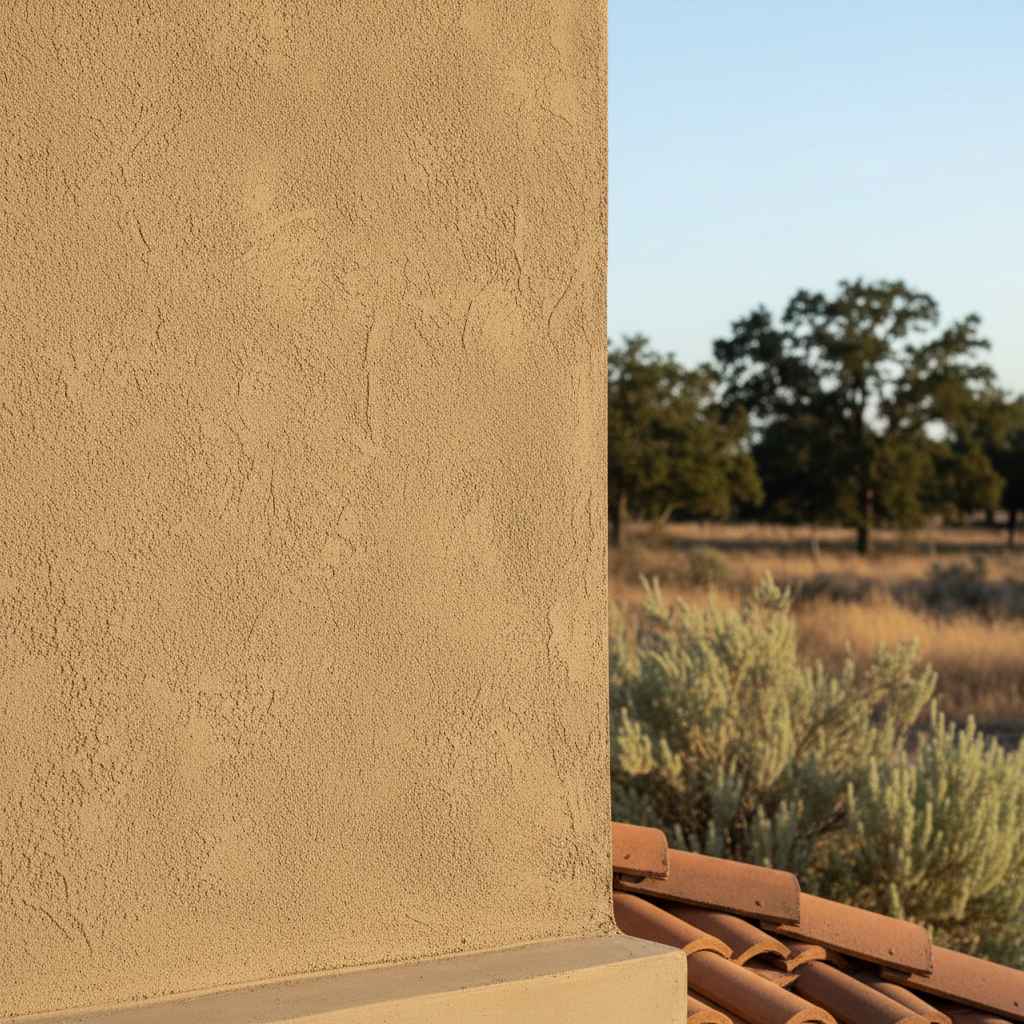
Why You Should Actually Care About Your Stucco
Look, let's be honest: nobody wakes up thrilled to inspect their stucco. I totally get it. But ignoring your home's exterior is kind of like ignoring that weird new noise your car's making – it rarely just fixes itself. Stucco, especially here in Turlock with our scorching summers and those occasional heavy downpours, really takes a beating. A tiny crack today could easily turn into a massive water damage headache tomorrow. That's why giving it a regular once-over is just smart homeowner stuff, you know?
You don't have to be a stucco guru to do a quick visual check. You just need to know what to keep an eye out for and, more importantly, when to stop looking and actually pick up the phone. I've seen way too many folks try to DIY a fix that really needed a pro, and it almost always ends up costing them more in the long run.
Before You Start: Get Ready
First things first, you'll need the right mindset and just a few basic tools. This isn't about digging deep into your wall system; it's simply about spotting the obvious red flags. Pick a clear, dry day for this. You'll definitely want good light.
- Your Eyes: Seriously, your best tool.
- A Flashlight: Handy for those dark corners or underneath eaves.
- Binoculars: Grab these if you can't safely get close to high-up areas.
- A Notebook and Pen/Phone: So you can jot down notes or snap pictures of anything that looks off.
- Safety First: If you're planning to use a ladder, make absolutely sure it's steady and that you feel comfortable on it. Don't take any unnecessary risks. If something's too high, well, that's a job for a professional.
Focus on one side of the house at a time. Work your way around methodically. No need to rush.
During the Inspection: What to Look For
Alright, let's get right into it. You're basically looking for anything that seems out of place. Think of it like checking your teeth for cavities – you're scanning for anything unusual.
Cracks: Not All Are Equal
You're going to see cracks. Almost every stucco home has them. The trick is knowing the difference between cosmetic hairline cracks and something more serious.
- Hairline Cracks: These are super thin, like a strand of hair. Often, they're just on the surface and pop up as the stucco dries or with minor temperature changes. Usually, they're not a huge deal, but keep an eye on them anyway.
- Spiderweb/Map Cracks: This looks like a network of fine cracks. Again, these are often just surface-level, but they might mean there was a mix issue or the stucco dried too fast.
- Diagonal Cracks: Pay special attention to these, especially around windows, doors, or corners. They can be a sign that the structure underneath is moving.
- Wide Cracks (1/8 inch or more): These are serious. If you can slide a credit card into it, you've got a problem. Water is definitely getting in there.
- Cracks with Bulging or Stains: If you spot a crack and the stucco around it is pushing out, or if there are dark streaks (water stains) coming from it, that's a definite red flag for moisture getting inside.
Discoloration and Stains
Look for dark streaks, especially below windows, near the roofline, or coming from any cracks. These are often water stains, which means moisture is probably getting behind the stucco. Green or black patches? That could be mold or mildew, another sign things are staying damp. Sometimes you'll see efflorescence – those white, powdery deposits. That's just minerals left behind when water evaporates, also pointing to moisture issues.
Bulges, Soft Spots, or Deterioration
Gently tap the stucco with your knuckles. It should feel solid. If you hear a hollow sound, or if the stucco feels soft, spongy, or crumbles when you touch it, that's not good. It means the stucco might be separating from the wall, or there's significant water damage underneath. This is exactly when you stop poking around and call a professional, okay?
Around Openings and Penetrations
Windows, doors, vents, pipes, light fixtures – these are all common spots for water to sneak in. Check the caulking or flashing around every single one of them. Is it cracked, missing, or pulling away? Also, make sure the stucco isn't touching the ground directly, especially with our clay soils here in Turlock that love to expand and contract. You really want a good 6-8 inches of clearance above the dirt.
After Your Inspection: What to Do Next
So, you've walked around, you've taken some notes. Now what?
- Minor Issues: If you only found small, hairline cracks and no signs of water intrusion, you might just need to keep an eye on them. Check them again after the next rain.
- DIY Fixes (Limited): Re-caulking around a window or door is something many homeowners can handle themselves. Just make sure you use a good quality, exterior-grade sealant. But please, don't try to patch large cracks or areas of damaged stucco yourself unless you truly know what you're doing. You could easily make things much worse.
- Call a Pro: If you see wide cracks, diagonal cracks, bulges, soft spots, significant water staining, or any signs of mold/mildew, it's definitely time to call in the experts. Don't wait. These aren't just cosmetic problems; they're structural and moisture-related issues that need a proper diagnosis and the right repair. We at Precision Stucco Turlock deal with these kinds of issues every single day, and we can tell you exactly what's going on and what it'll take to fix it right.
Your home is a huge investment. A little proactive checking can save you a ton of money and stress down the road. Don't ignore what your stucco is trying to tell you, seriously.