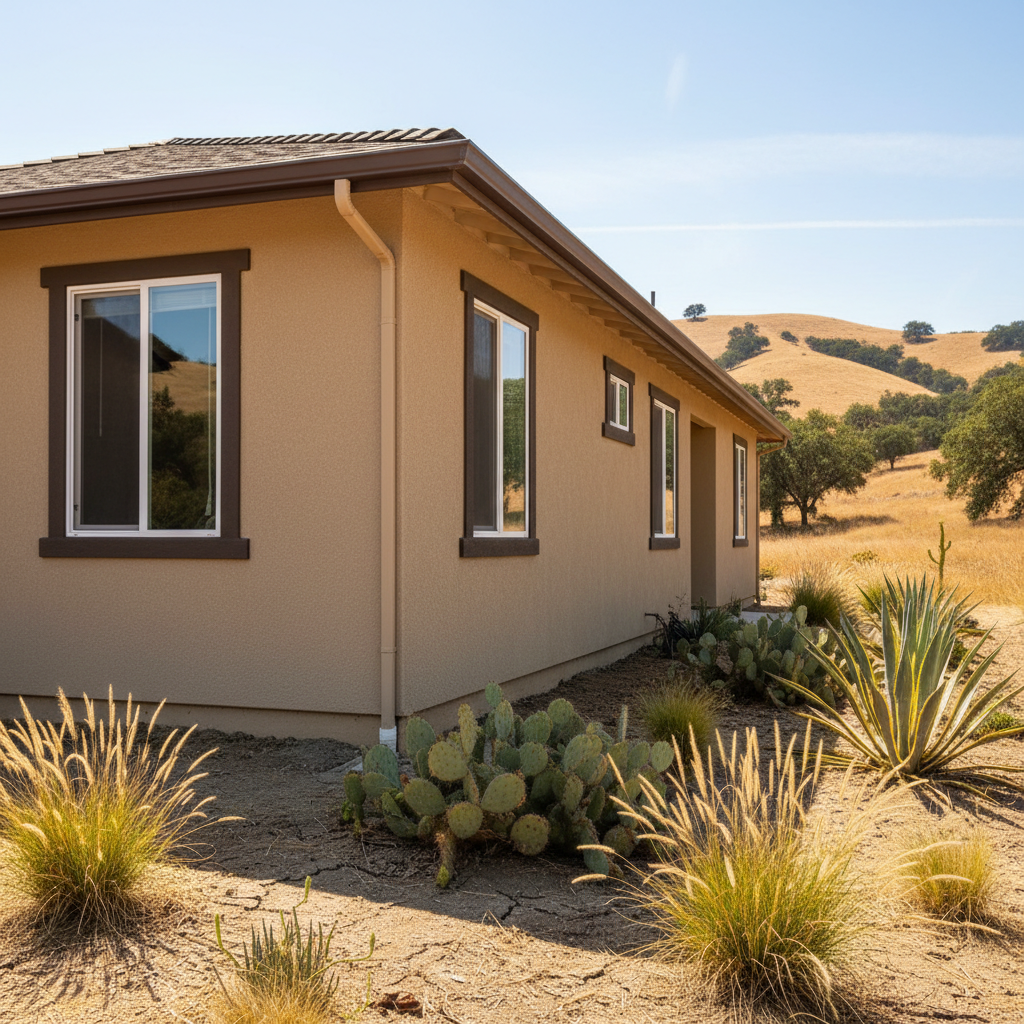
When's the best time to get EIFS installed on your Turlock home? That's a question I get a lot, and it's a good one. Our Central Valley climate, with its scorching summers and damp, foggy winters, really dictates when we can do our best work and how your investment holds up. It's not just about slapping some stucco on; it's about doing it right so it lasts.
Timing Your EIFS Installation: What Turlock Weather Means
You might think any time is a good time, but for EIFS (Exterior Insulation and Finish Systems), the weather is a big deal. We're not just dealing with stucco here; there are multiple layers, and each one needs specific conditions to cure properly. Here's what I've seen over the years working on homes from the Collegeville area to the east side of town:
- Spring (March-May): This is often ideal. The temperatures are usually mild, not too hot, not too cold. We get some nice breezes, and the humidity isn't usually through the roof. This allows the base coats and finish coats to dry and cure at a steady, controlled pace. Less chance of cracking or issues from rapid drying.
- Fall (September-November): Another great window. After the summer heat breaks, we get those cooler, pleasant days. Again, it's about consistent temperatures and moderate humidity. We want to avoid those early morning fogs that can sometimes linger, but generally, fall offers excellent conditions for quality work.
- Summer (June-August): This is where it gets tricky in Turlock. Our summers are brutal, often hitting triple digits for days on end. Extreme heat can cause materials to dry too quickly, leading to shrinkage cracks or improper bonding between layers. We can still work, but we often have to start super early, finish by midday, and take extra precautions like misting surfaces or using special additives. It adds complexity and can sometimes slow things down. If you're planning a summer project, be prepared for us to be very particular about scheduling around the heat of the day.
- Winter (December-February): This is usually the toughest time for EIFS. Cold temperatures slow down curing times significantly. If it gets too cold, below 40°F, some materials won't cure at all, or they'll cure improperly, compromising the system's integrity. Rain and our famous Tule fog are also major issues. You can't apply EIFS to wet surfaces, and constant dampness means delays. We might get a dry, mild stretch, but it's unpredictable. Unless it's an emergency repair, I usually advise against full EIFS installations during the dead of winter.
Protecting Your EIFS Investment Year-Round
Once your EIFS is installed, you want it to last, right? It's a durable system, but a little care goes a long way, especially with our Turlock climate throwing everything at it.
- Keep it Clean: Dust, pollen, and even agricultural residue from nearby fields can accumulate. A gentle wash with a garden hose and a soft brush once or twice a year can prevent buildup that might encourage mold or staining. Don't use a high-pressure washer; it can damage the finish.
- Watch for Water: EIFS is great at shedding water, but you need to make sure your gutters and downspouts are working correctly. Redirect water away from the foundation. Any persistent drips or standing water against the EIFS can cause issues over time. Check around windows and doors for any failing caulk or sealants. That's where water can sneak in and cause real headaches.
- Trim Those Plants: Keep shrubs and trees trimmed back from your EIFS. Foliage rubbing against the surface can wear it down, and dense growth can trap moisture against the wall, which isn't good.
- Annual Inspection: Take a walk around your house once a year, maybe in the spring after the winter rains. Look for any cracks, dings, or areas where the finish might look different. Small issues are much easier and cheaper to fix than big ones. If you see anything concerning, give us a call at Precision Stucco Turlock. We can come out, take a look, and give you an honest assessment.
- Pest Control: While EIFS is generally pest-resistant, keep an eye out for birds or insects trying to nest or burrow. They can cause localized damage to the finish coat.
Ultimately, choosing the right time for your EIFS project and then taking a few simple steps to maintain it will ensure your home looks great and stays protected for decades. It's all about working with our local conditions, not against them.
``` faction: Turlock, CA. I am a skilled trade contractor and local business owner. I write blog posts for my own website. I write the way I talk — direct, knowledgeable, and genuinely helpful. I am NOT a content marketer, NOT an AI assistant, and NOT a copywriter. I need to follow all writing rules and the JSON schema. The word count should be 735 words (±30 words). I need to mention